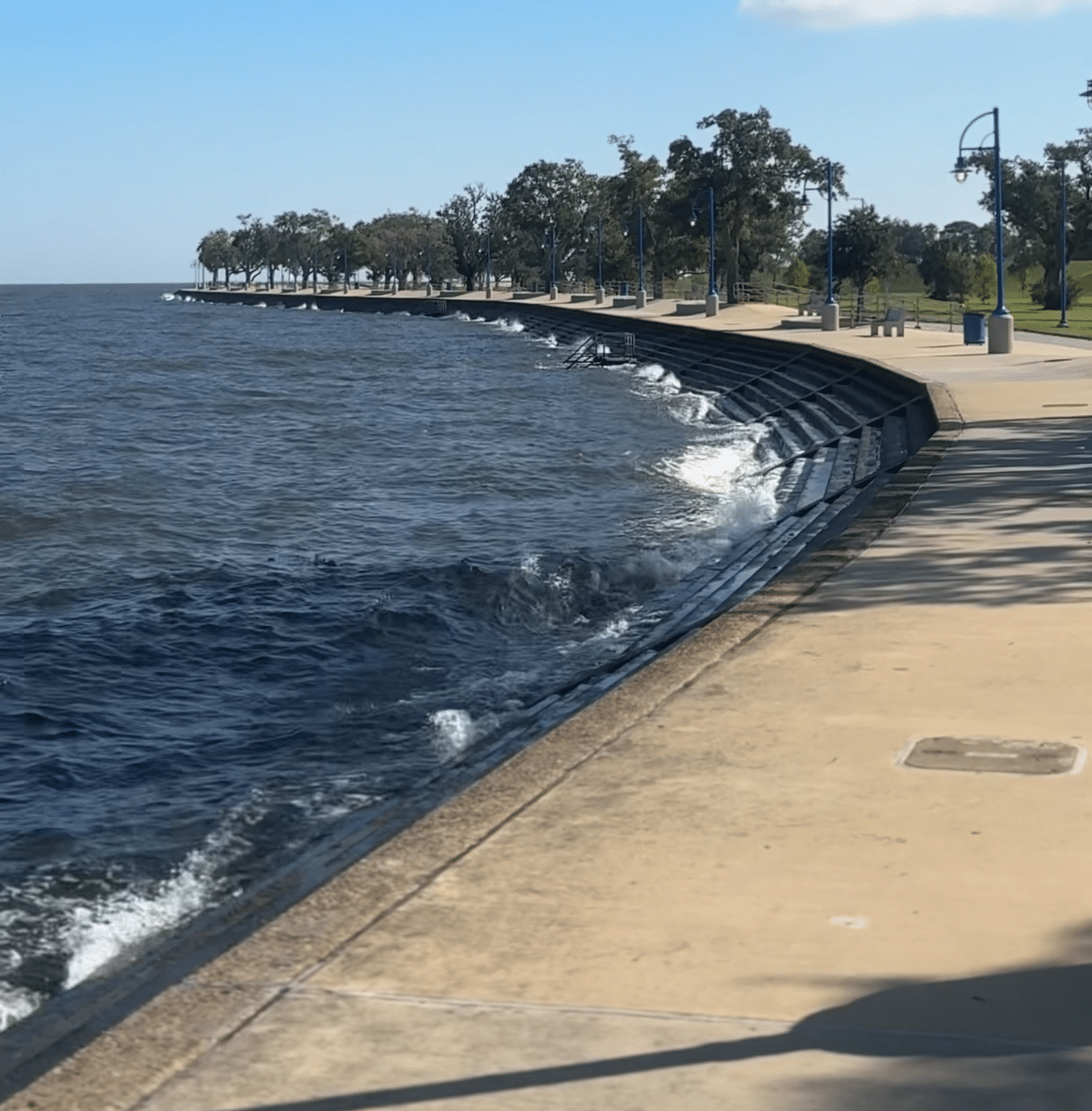
Lake Pontchartrain has long played a vital role in the development of New Orleans. Beyond serving as a natural landmark, it was once a major source of construction materials that helped shape the city’s infrastructure. For much of the 20th century, dredging was a common practice in the lake, and while it provided essential resources, it also brought significant engineering and environmental challenges.
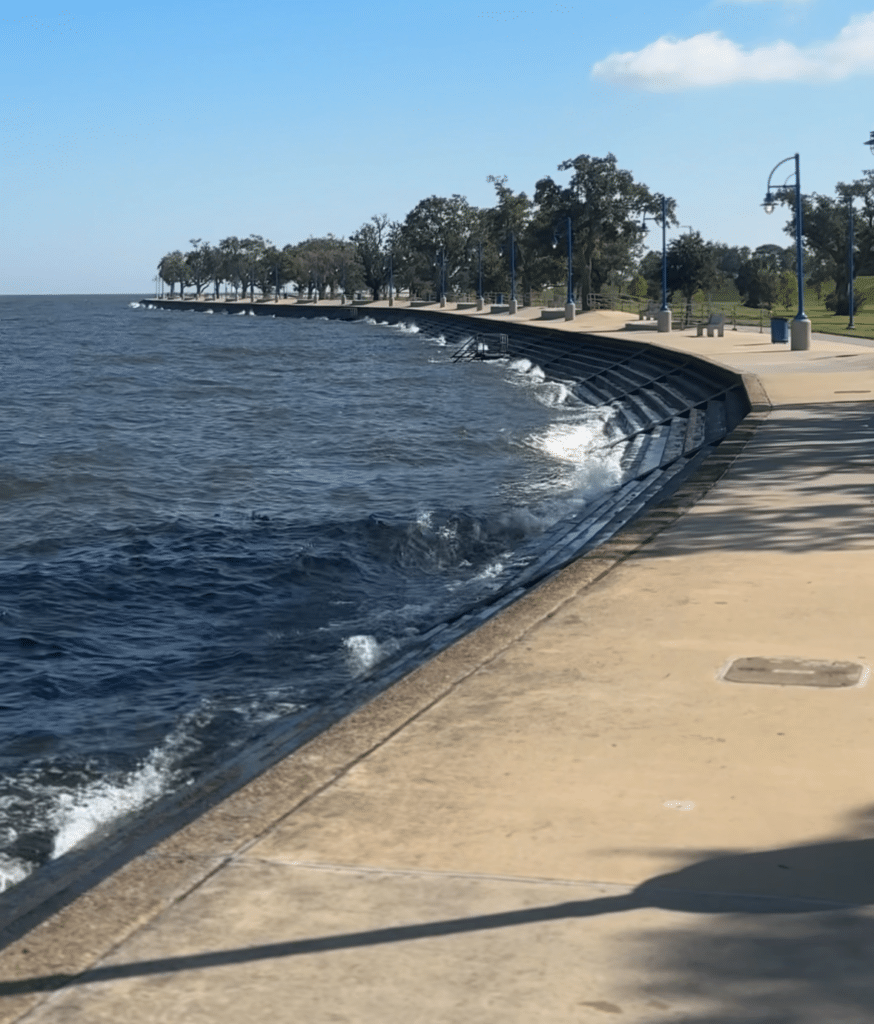
Why was it dredged?
The main goal of dredging in Lake Pontchartrain was the removal of sand and shells from the lakebed. These materials were in high demand for use in road foundations, concrete, and other construction projects. The process involved specialized dredging equipment that could excavate large volumes of sediment and shell, then transport it for processing and use. In many ways, dredging supported the rapid urban growth of New Orleans by supplying readily available, cost-effective materials.
Dredging is not a simple excavation task. It requires precise equipment and planning to operate in a submerged environment. Hydraulic dredges were commonly used in Lake Pontchartrain. These machines employ suction to remove sediments, pumping the material through pipelines to designated areas. Mechanical dredges were also used, which rely on clamshell buckets or draglines to scoop material from the lake bottom.
The engineering of it all
The engineering challenge lay in balancing efficiency with control. Dredging disturbed the lakebed and increased turbidity, which meant engineers had to constantly adjust methods and equipment to limit the spread of sediment plumes. This required careful coordination of dredge placement, pumping rates, and disposal locations.
Over time, the engineering community began to understand the broader implications of large-scale dredging. The removal of sand and shell disrupted the natural structure of the lakebed. This not only eliminated oyster reefs but also altered the stability of certain areas. Sediment suspension reduced water clarity and had long-term effects on aquatic habitats.
Another consideration was shoreline stability. By extracting materials from the lake, dredging indirectly affected natural erosion and sediment distribution processes. These impacts highlighted the fact that engineering solutions must consider both the immediate project goals and the long-term environmental system.
Environmental concerns
By the 1970s and 1980s, engineers, scientists, and policymakers began working together to assess the risks of continued dredging. Technical studies documented the impact on water quality and ecosystems, making it clear that the practice was unsustainable. As a result, the State of Louisiana eventually banned dredging in Lake Pontchartrain in the late 1980s.
From an engineering standpoint, this shift reflected a growing emphasis on environmental stewardship within the profession. The focus turned from resource extraction to restoration and protection, requiring a new set of engineering approaches such as shoreline stabilization, water quality monitoring, and habitat restoration.
Applying lessons to today’s engineering
The history of dredging in Lake Pontchartrain illustrates both the value and the risks of engineering interventions in natural systems. At one time, dredging was a critical solution that provided the raw materials needed to build roads and infrastructure across New Orleans. Yet the unintended consequences demonstrated the importance of considering long-term ecological and structural impacts.
Modern engineering now applies these lessons by integrating environmental science into every stage of project planning. Lake Pontchartrain has since seen significant improvements in water quality and ecosystem health, proving that engineering can adapt and evolve to meet both human and environmental needs.